
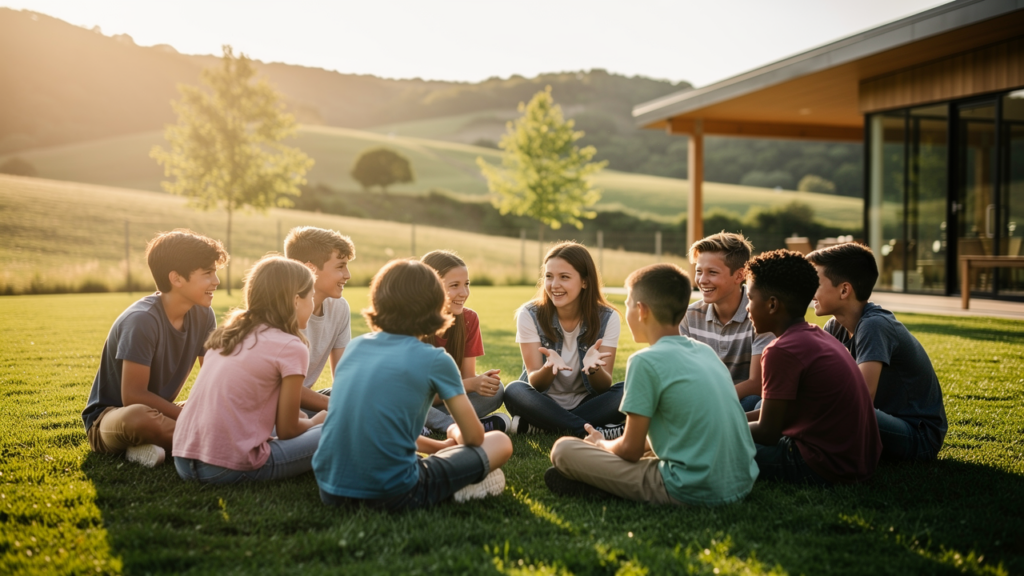
Fostering Meaningful Peer Connections Through the Otzma Program for IDF Orphans transforms post-loss adjustment by placing bereaved children and adolescents inside a community of peers who share a similar loss, replacing isolation with belonging and normalizing grief through psychological safety. This process rests on three pillars: community integration, shared lived experience, and a facilitated environment where emotional expression carries no stigma. The sections that follow examine the mechanisms behind peer-based bereavement support, the group dynamics and safety protocols that structure the program, the indicators used to determine readiness, and the practical guidance available to caregivers navigating the process.
Understanding the Unique Social Challenges Faced by IDF Orphans
The death of a parent in active service reshapes far more than the family unit. Children often encounter what specialists describe as secondary loss (social changes): shifts in school standing, altered neighborhood relationships, and a sense of being singled out among classmates who cannot relate to the experience. Some withdraw voluntarily; others find themselves excluded without ever choosing distance. Individual counseling can address symptoms of grief, but it rarely restores social belonging on its own. Group environments built on shared lived experience allow children to encounter peers who require no explanation for their circumstances. The Ministry of Defense, Families, Commemoration and Heritage Department has documented the therapeutic value of support groups in fostering communal understanding and countering isolation among bereaved families. Otzma peer connections for IDF orphans extend this national framework into a dedicated youth setting, pairing bereavement support with recreational structure so that connection develops through shared experience rather than forced disclosure.
Inside the Otzma Program: How Group Dynamics Are Structured
The program combines weekend retreats, seasonal camps, and routine gatherings into a continuous framework rather than a single isolated event, allowing relationships to deepen across repeated encounters.
Age-Appropriate Grouping and Intake Matching
Cohorts are curated according to developmental stage, chronological age, bereavement timeline, and the emotional bandwidth of each participant. Age-appropriate programming reduces the risk of a younger child feeling overwhelmed by older participants' more advanced grief processing, while matching participants with similar loss contexts mitigates intimidation and accelerates group cohesion. Facilitators observe early sessions closely, and if a particular grouping does not support mutual comfort, participants are reassigned to a cohort better suited to their emotional pace.
Balancing Structured Group Activities and Informal Connection
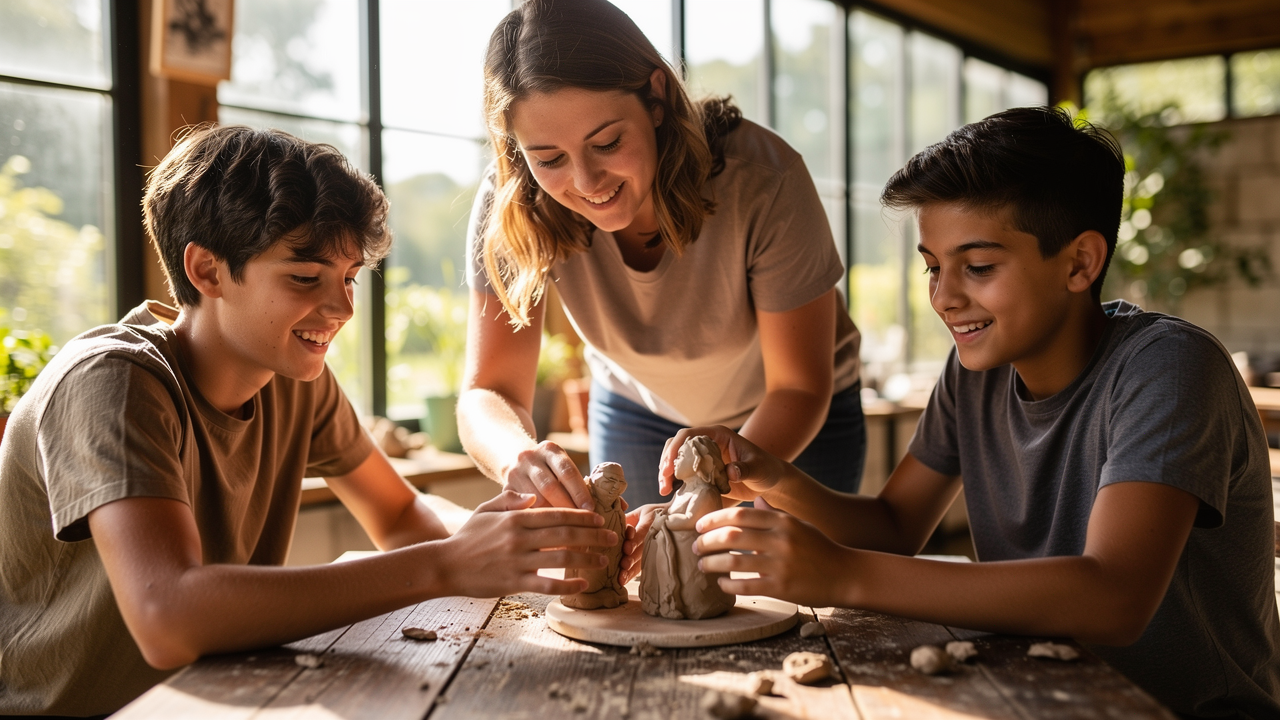
A typical schedule opens with arrival rituals, moves into collaborative outdoor or artistic initiatives, and closes with guided group discussions. Structured group activities that involve movement or creative work serve as low-pressure entry points, allowing children to build rapport before deeper sharing occurs. A mentorship model runs throughout, in which older peers and trained counselors offer informal guidance, modeling how to sit with grief without being defined by it.
Psychological Safety and Facilitation in Bereavement Settings
Every session operates under trauma-informed care and grief-informed facilitation led by qualified mental health professionals alongside experienced group leaders. Clear group agreements govern confidentiality, mutual respect, zero pressure to share, and the right to step back into a quiet space at any point. Psychological safety depends on consistency: children learn early that the same boundaries apply every session, which supports attachment and trust over time. When intense grief spikes, panic, or emotional floods occur, dedicated staff intervene on-site using established emotional regulation skills before any escalation affects the wider group. Defined referral pathways connect participants to external psychiatric or psychological services whenever an acute trauma response exceeds what the program setting is designed to manage.
When Is the Right Time for a Child to Join?
Readiness is not measured by time alone. A stable emotional baseline, some curiosity about meeting peers, and a minimum degree of post-loss adjustment typically indicate that group participation will support rather than overwhelm a child. Severe unmanaged depression, active suicidal ideation, or behavioral dysregulation that could disrupt group safety generally call for a waiting period and individual stabilization first. Caregivers and clinical teams can prepare a hesitant child through gradual exposure, visit days, or pairing with a mentor before full cohort participation begins.
| Category | Supports Enrollment | Suggests Deferral |
|---|---|---|
| Emotional state | Stable, present, occasional distress | Chronic dissociation or panic episodes |
| Social openness | Mild curiosity, willingness to attend | Severe avoidance of any group contact |
| Clinical status | No acute crisis | Active suicidal ideation or severe depression |
| Behavioral factors | Manageable regulation | Dysregulation risking group safety |
These protective factors, alongside professional judgment, guide whether peer support groups are introduced immediately or after a period of individual work focused on resilience building.
Measuring the Long-Term Impact of Peer Alliances
Observable milestones help caregivers and staff assess whether connections are taking hold. Progression from passive withdrawal to active verbal exchange and spontaneous laughter is an early sign, followed by reciprocal friendships that continue through messaging, school interactions, and independent meetups outside the program calendar. Many participants also show enhanced communicative confidence and reduced social anxiety in routine academic settings. Follow-up support sustains these gains: regional chapter meetups and ongoing touchpoints allow relationships to persist across years rather than fading after a single camp. This continuity supports community integration and functions as a long-term protective factor through adolescence, military recruitment milestones, and early adulthood, reinforcing resilience building well beyond the original program dates.
Caregiver Strategies: Supporting Peer Engagement and Navigating Systems
Caregivers are encouraged to frame participation around recreation and mutual understanding rather than forced therapy or obligation, since children tend to resist anything presented as a treatment requirement. Post-camp emotional exhaustion or temporary regression is common and is best managed through patient, non-judgmental listening rather than immediate reassurance. On the administrative side, transportation arrangements, subsidized access, and accessibility accommodations reduce practical barriers to consistent attendance. The National Insurance Institute of Israel outlines national support programs for bereaved families, including entitlements tied to group participation and rehabilitation services. Coordinating group involvement with school counselors and private therapists helps address secondary loss (social changes) consistently across every environment the child moves through, keeping bereavement support and post-loss adjustment aligned rather than fragmented.
How does a peer group differ from individual grief counseling?
Individual counseling addresses personal symptoms of grief, while a peer group restores social belonging by placing children alongside others who share a similar loss and understand it without explanation.
What happens if a child becomes distressed during a session?
Trained staff manage emotional spikes on-site using established de-escalation methods, and referral pathways to external psychological or psychiatric services exist for responses that exceed the program's scope.
Can a caregiver delay a child's participation?
Yes. Severe unmanaged depression, active suicidal ideation, or significant behavioral dysregulation typically warrant a waiting period and individual stabilization before group enrollment.
Do friendships formed in the program continue afterward?
Many participants maintain contact through messaging, school interactions, and independent meetups, supported further by regional follow-up gatherings organized between formal program dates.
About the Business
The IDF Widows and Orphans Organization is a nonprofit association dedicated to supporting the distinct needs of widows, widowers, and orphans of Israel's fallen soldiers and security personnel. Operating year-round, it maintains a range of educational, emotional, financial, and communal initiatives designed to accompany bereaved families well beyond the immediate period of loss. Among these initiatives, the youth-focused Otzma program provides specialized camps and a structured peer framework where children and adolescents build lasting connections with others who share a similar experience of loss.